


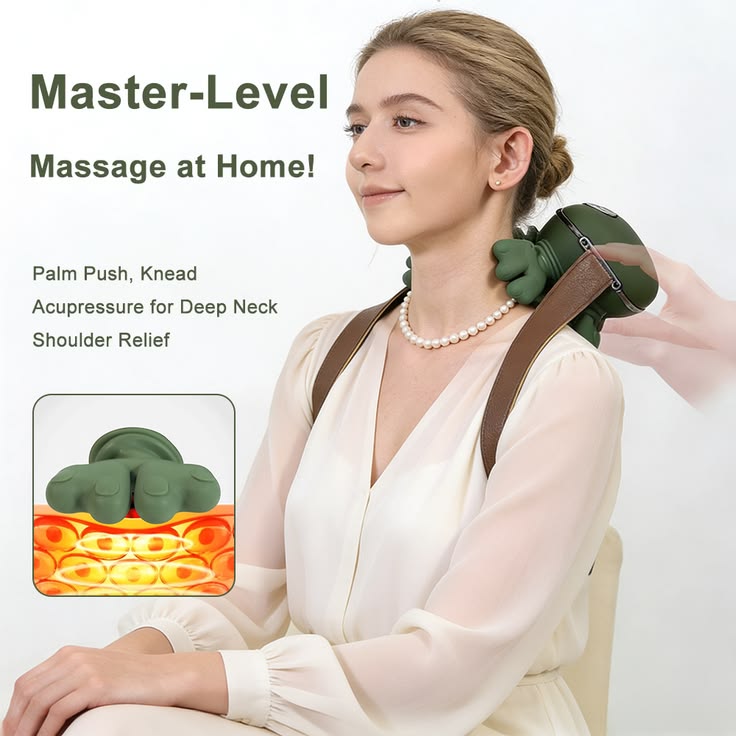
The personal massager market has expanded quickly, and at first glance many devices appear similar. Most promise relaxation, pain relief, and stress reduction. However, once you move beyond surface-level marketing, the differences between a basic model and a premium device become clear. Build quality, motor technology, ergonomics, and control precision all play a major role in how effective and comfortable a massager truly is Neck and Shoulder Massager.
Understanding these differences helps you avoid underperforming devices and choose one that delivers consistent, long-term value.
Motor Quality: The Foundation of Performance
At the core of every massager is its motor. This is the component that determines how smoothly, quietly, and powerfully the device operates.
Brushless vs Brushed Motors
Premium massagers typically use brushless motors, which offer:
- Smoother motion
- Lower noise levels
- Greater energy efficiency
- Longer lifespan
Lower-end models often rely on brushed motors, which can feel less stable and produce more noise over time.
The quality of the motor directly impacts the realism and comfort of the massage experience.
Kneading Technology: Depth and Realism Matter
Not all massage nodes are created equal. Premium devices focus heavily on replicating human-like movement.
3D and 4D Kneading Systems
Advanced massagers often include:
- Multi-directional node movement
- Variable depth pressure
- Speed variation during a single cycle
This creates a more natural massage rhythm that adapts to muscle tension instead of repeating a fixed pattern.
Lower-end devices usually offer simple vibration or fixed rotation, which can feel repetitive and less effective for deep muscle relief.
Ergonomic Design: Fit Determines Effectiveness
Even the most powerful motor cannot compensate for poor design. Premium massagers are shaped to match human anatomy.
Shoulder and Neck Contouring
High-quality devices are designed to:
- Follow the curve of the cervical spine
- Wrap naturally around the trapezius muscles
- Maintain stable contact during movement
This ensures that pressure is delivered exactly where it is needed.
Poorly designed devices often shift during use or miss key tension points.
Heat Therapy: Consistency Over Basic Functionality
Heat is one of the most valuable features in a massager, but its quality varies widely.
Premium Heat Systems
High-end models provide:
- Even heat distribution
- Stable temperature control
- Quick warm-up times
- Safe long-duration use
Lower-End Limitations
Cheaper devices may suffer from:
- Uneven heating zones
- Weak or inconsistent warmth
- Limited temperature control
Effective heat therapy enhances muscle relaxation and improves the impact of kneading motion.
Intensity Control: Precision Over Simplicity
Premium massagers offer more than just “low, medium, high” settings. They provide finer control over how pressure is applied.
What Premium Devices Offer
- Multiple intensity levels with gradual transitions
- Customizable massage modes
- Adaptive pressure patterns
This allows users to tailor the experience based on daily muscle condition.
Basic devices often lack this flexibility, making them less adaptable to different pain levels.
Noise Level: The Hidden Quality Factor
One of the most noticeable differences between premium and budget massagers is sound.
Why Quiet Operation Matters
Massage is not just physical—it is also sensory. Excess noise can interfere with relaxation and reduce the calming effect.
Premium devices use:
- Brushless motors
- Improved internal insulation
- Balanced mechanical design
This results in quieter operation that supports deeper relaxation.
Build Quality and Materials
Durability and comfort are closely tied to construction quality.
Premium Materials
Higher-end massagers often feature:
- Soft-touch outer materials
- Reinforced internal frames
- Heat-resistant components
These improve both comfort and long-term reliability.
Budget Limitations
Lower-cost devices may use:
- Harder plastics
- Less durable internal components
- Simplified structural design
This can affect both comfort and lifespan.
Battery Life and Portability
For wireless devices, battery performance is a key differentiator.
Premium Advantages
- Longer usage time per charge
- Faster charging systems
- Stable power output during sessions
Budget Limitations
- Shorter runtime
- Slower charging
- Performance drop as battery drains
Reliable battery life is essential for consistent daily use.
Smart Features and User Control
Premium massagers often include more advanced control systems.
Examples of Smart Features
- Multiple automated massage programs
- Memory settings for preferred intensity
- Auto-shutoff timers
- Adaptive pressure adjustments
These features make the device easier and more intuitive to use.
Safety Features: Often Overlooked but Important
High-quality massagers prioritize user safety through built-in protections.
Common Premium Safety Features
- Overheat protection
- Auto shut-off timers
- Pressure limitation controls
These ensure the device can be used safely over extended periods.
Ease of Use: Simplicity in Design
A premium device is not necessarily more complicated—it is often more intuitive.
Good Design Principles
- Easy-to-reach controls
- Clear mode indicators
- Comfortable positioning without adjustment
If a device is difficult to use, it reduces the likelihood of consistent use.
When Premium Is Worth It
Not every user needs a high-end massager, but premium models are especially valuable for:
- Chronic neck and shoulder pain
- Daily long-term use
- Users sensitive to noise or discomfort
- Those who want advanced customization
In these cases, better engineering translates directly into better results.
When a Basic Model May Be Enough
Lower-cost devices may still be suitable if:
- Use is occasional
- Pain is mild or temporary
- Budget is a primary concern
- Advanced features are not necessary
The key is matching the device to actual needs.
Final Thoughts
The difference between premium and standard massagers is not just about price—it is about performance consistency, comfort, and long-term usability. Features like brushless motors, ergonomic design, advanced kneading systems, and precise heat control all contribute to a noticeably better experience.
When choosing a massager, focusing on these core qualities ensures that you are not just buying a device, but investing in reliable, effective relief that fits into your daily life. The right combination of design and technology can transform a simple massager into a truly effective tool for managing stress and muscle tension over time.