


Why Tart Decoration Makes All the Difference
A fruit tart is already delicious on its own, but decoration is what turns it into a show-stopping dessert. The way fruit is arranged can completely change the visual impact, making a simple tart look like it came straight from a professional bakery.
With a few thoughtful design techniques, even a homemade fruit tart near me can look elegant, balanced, and visually impressive.
Below are five beautiful fruit tart decorating designs that are easy to recreate yet look bakery-quality.
1. The Classic Spiral Design
The spiral design is one of the most iconic fruit tart decorations used in bakeries. It is simple, elegant, and visually satisfying.
How it works:
Start from the outer edge of the tart and arrange fruit slices in a circular pattern, slowly moving inward toward the center. Each layer slightly overlaps the previous one.
Best fruits to use:
- Strawberries
- Kiwi slices
- Mango
- Peaches
Why it looks great:
The spiral creates a sense of movement and symmetry, giving the tart a polished, professional finish with minimal effort.
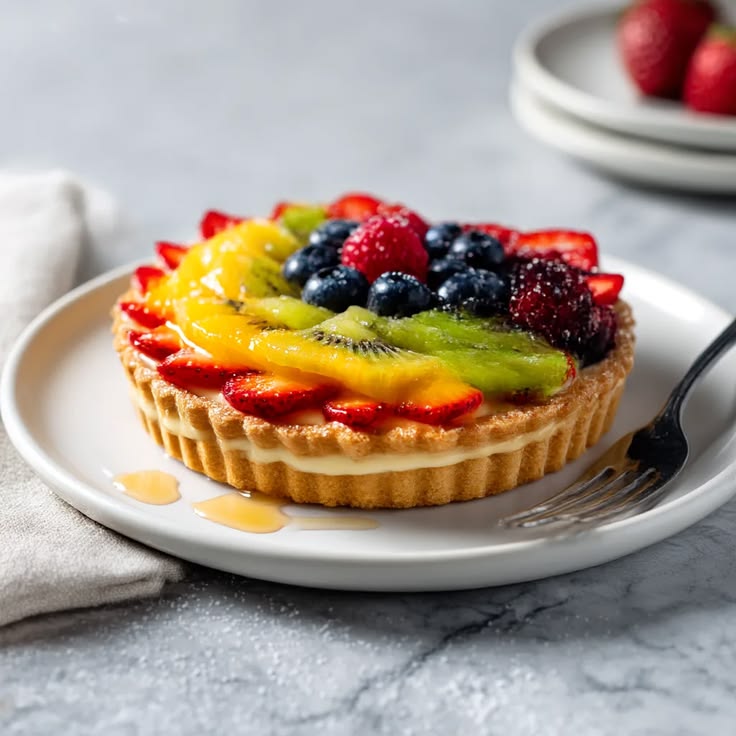
2. The Rainbow Gradient Layout
This design focuses on color flow rather than strict patterning. Fruits are arranged in sections based on color, creating a rainbow effect.
How it works:
Group fruits by color and arrange them in smooth transitions across the tart surface.
Example order:
- Red (strawberries, raspberries)
- Orange (mango, apricot)
- Yellow (banana, pineapple)
- Green (kiwi, grapes)
- Blue/purple (blueberries, blackberries)
Why it looks great:
The gradient effect makes the tart visually vibrant and modern, perfect for celebrations and parties.
3. The Floral Petal Design
This design transforms fruit slices into flower-like patterns, making the tart look artistic and elegant.
How it works:
Arrange thin fruit slices in overlapping layers to mimic flower petals. You can create one large central flower or several smaller ones across the tart.
Best fruits to use:
- Strawberries (for rose petals)
- Kiwi (for green floral accents)
- Apples or pears (thinly sliced)
Why it looks great:
The floral pattern adds a handcrafted, decorative feel that elevates the tart into a centerpiece dessert.
4. The Geometric Tile Pattern
For a modern and structured look, the geometric tile design uses evenly cut fruit pieces arranged in a grid or mosaic.
How it works:
Cut fruits into uniform shapes—slices, cubes, or wedges—and arrange them in neat rows or repeating patterns.
Best fruits to use:
- Mango cubes
- Blueberries
- Strawberries (quartered)
- Kiwi slices
Why it looks great:
The clean lines and symmetry create a contemporary bakery-style presentation that feels precise and professional.
5. The Rustic Free-Form Arrangement
Not every tart needs to be perfectly structured. The rustic design focuses on natural placement for a relaxed, artisanal look.
How it works:
Scatter fruit naturally across the pastry cream, layering different shapes and sizes without strict order.
Best fruits to use:
- Mixed berries
- Sliced figs
- Grapes
- Pomegranate seeds
Why it looks great:
The effortless style gives a homemade, organic feel while still looking intentional and beautiful.
Bonus Tip: Add a Professional Shine
No matter which design you choose, a light glaze can instantly elevate the final look.
A simple glaze made from warmed apricot jam or sugar syrup brushed over the fruit will:
- Enhance color vibrancy
- Add a glossy bakery finish
- Help preserve freshness
This small step makes a noticeable difference in presentation.
Choosing the Right Design for Your Occasion
Each decorating style suits a different type of event:
- Spiral: Elegant dinners and classic desserts
- Rainbow gradient: Birthday parties and celebrations
- Floral design: Romantic occasions or gifting
- Geometric pattern: Modern events or formal gatherings
- Rustic style: Casual family desserts
Matching the design to the occasion enhances the overall experience.
Conclusion
Decorating a fruit tart is where creativity meets simplicity. With just a few slicing techniques and thoughtful arrangement styles, you can transform a basic tart into a bakery-worthy masterpiece.
Whether you prefer elegant spirals, colorful gradients, or rustic charm, these five designs make it easy to create a dessert that looks as good as it tastes.