


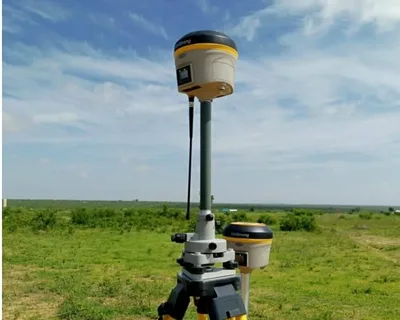
Real-Time Kinematic (RTK) GPS technology is revolutionizing fields like agriculture, surveying, construction, and autonomous navigation. While RTK systems can achieve centimeter-level accuracy, several environmental and technical factors can compromise signal quality. In this guide, we’ll explore how to improve your rtk gps signal for maximum accuracy, ensuring your equipment performs at its best when precision matters most.
Understanding RTK GPS: A Quick Overview
RTK GPS systems use carrier-based positioning and corrections from a fixed base station to enhance location accuracy. This method provides far more precision than standard GPS, but it’s also more sensitive to interference, satellite geometry, and signal obstructions.
Common Factors Affecting RTK GPS Accuracy
Before diving into improvements, it’s important to understand what can interfere with RTK signals:
- Obstructions: Trees, buildings, and terrain can block satellite signals.
- Multipath Errors: Signals reflecting off surfaces like metal or water can cause delays.
- Satellite Availability: Fewer visible satellites reduce solution accuracy.
- Base Station Distance: Greater distances from the base station increase error margins.
How to Improve Your RTK GPS Signal for Maximum Accuracy
Now let’s focus on practical steps to enhance your RTK GPS performance and get the most precise data possible.
1. Optimize Antenna Placement
Proper antenna placement is critical for reducing interference:
- Install antennas on a high, stable location with a 360° clear sky view.
- Keep them away from metal surfaces or structures that could cause multipath errors.
- Use a ground plane or choke ring antenna to improve signal quality.
2. Ensure a Strong Base Station Connection
Your RTK corrections rely on a steady link to a reference station:
- Reduce the baseline distance (the distance between the base and rover units).
- If using a network RTK service, choose the nearest correction station.
- Maintain a constant internet or radio signal for real-time corrections.
3. Monitor Satellite Coverage
Good satellite geometry ensures better positional accuracy:
- Use GPS planning tools to schedule work during times of high satellite availability.
- Make sure your receiver supports multiple GNSS constellations (GPS, GLONASS, Galileo, BeiDou) for broader coverage.
4. Use Updated Firmware and Software
RTK systems frequently receive performance enhancements:
- Keep your receiver firmware and software up to date.
- Use manufacturer-recommended tools for configuration and monitoring.
- Regular updates can improve compatibility and signal handling.
Best Practices in Field Operations
Learning how to improve your RTK GPS signal for maximum accuracy also involves smart field strategies:
- Avoid working near power lines, tall buildings, or reflective surfaces.
- Allow the system a few minutes to initialize before beginning high-precision tasks.
- If RTK fix is lost, pause work until the fix is re-established to avoid positional drift.
Conclusion
Understanding how to improve your RTK GPS signal for maximum accuracy is essential for professionals who depend on reliable positioning. By optimizing equipment setup, maintaining your hardware, and planning around environmental factors, you can significantly boost RTK signal quality and ensure top-tier accuracy in your work.
Whether you’re a farmer automating machinery or a surveyor collecting site data, investing in these improvements can save time, reduce errors, and deliver better results on every job.
