


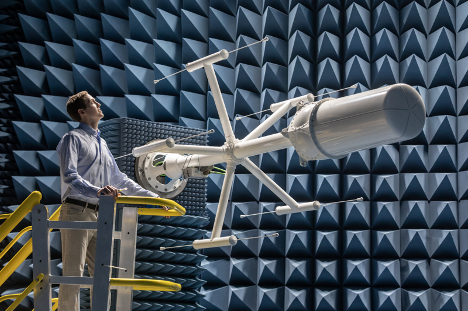
An anechoic chamber is a special room designed to completely absorb sound and block outside noise. These chambers create an environment free from echoes, making them ideal for testing and research. Many industries, including electronics, automotive, and aerospace, rely on anechoic chambers to improve the quality of their products.
The unique environment of these rooms allows engineers and researchers to measure sound accurately, control experiments, and create better designs. Understanding the benefits of anechoic chambers helps businesses and researchers make informed decisions about testing and development.
1. Accurate Sound Measurement
Anechoic chambers provide precise sound measurements because they remove echoes and outside noise. In a normal room, sound bounces off walls, ceilings, and floors, making it difficult to measure how loud or clear a sound really is.
The walls of an anechoic chamber are covered with sound-absorbing materials, creating a quiet space where instruments can capture exact sound levels. This accuracy is critical for industries that rely on audio performance, such as speaker manufacturers, hearing aid developers, and acoustic engineers.
2. Better Product Testing
Companies use anechoic chambers to test products under controlled conditions. These chambers allow engineers to examine how devices perform without interference from external sounds. For example, testing a smartphone, microphone, or car engine in an anechoic chamber provides reliable results on how the product will behave in real-world use.
Engineers can identify issues such as unwanted noise, vibrations, or sound distortions, which might not appear in regular testing spaces. By finding and solving these problems early, companies save time and reduce costs, while ensuring that their products work efficiently.
3. Improved Research and Development
Anechoic chambers support advanced research and development efforts in multiple fields. Scientists can study the behavior of sound waves, vibrations, and even electromagnetic signals without interference from outside noise. This controlled environment helps researchers understand complex acoustic or electronic phenomena more clearly.
The insights gained from these studies can lead to innovations in technology, medicine, and engineering. For example, aerospace companies can test aircraft noise, while electronics companies can enhance the performance of speakers, headphones, or microphones.
4. Enhanced Employee and User Experience
Using anechoic chambers indirectly improves the experience of employees and end users. When products are tested thoroughly, companies can reduce unwanted noise, vibrations, and performance issues. This creates quieter machines, more comfortable environments, and better consumer products.
For instance, cars tested in anechoic chambers often have smoother and quieter rides. Electronics tested in these chambers deliver clearer sound and better performance. By improving product quality, anechoic chambers contribute to higher customer satisfaction and safer, more reliable products.
5. Compliance with Industry Standards
Many industries require strict testing to meet safety and quality standards. Anechoic chambers help companies comply with these regulations by providing controlled and measurable testing conditions. Electronics, automotive, and aerospace products often need certification before they can be sold or used.
Testing in anechoic chambers ensures that these products meet noise, vibration, and performance standards. Companies can confidently launch products that comply with regulations, avoiding legal issues and building trust with customers.
Conclusion
Anechoic chambers play a crucial role in testing, research, and product development across multiple industries. They provide accurate sound measurement, support detailed product testing, enhance research and development, improve user experience, and help companies meet industry standards.
By using anechoic chambers, organizations can create better products, increase customer satisfaction, and stay competitive in their fields. The controlled, echo-free environment of these chambers ensures that testing is reliable, precise, and effective, making them an essential tool for modern technology and innovation.