


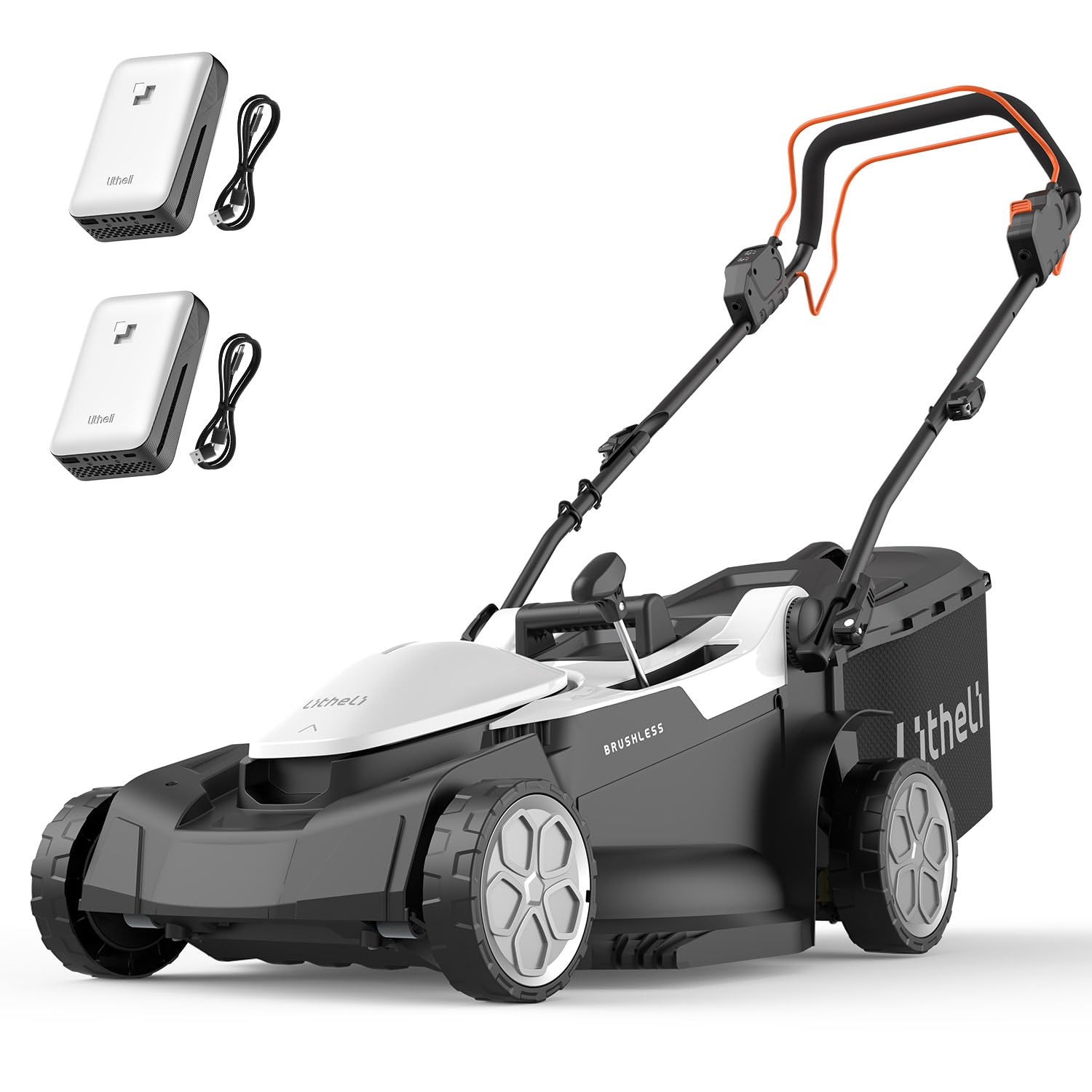
Maintaining a lush, green lawn has been a priority for homeowners and gardeners for centuries. Over time, advancements in technology have made lawn care more efficient, and among these innovations, the self propelled lawn mower stands out. Understanding the history and evolution of self-propelled lawn mowers reveals how this essential tool transformed from simple manual equipment to modern, high-tech machines.
Early Lawn Mowers: The Beginnings
The story begins in the 19th century. Before mechanical lawn mowers, grass was typically cut using scythes, which required significant labor and time. In 1830, Edwin Budding, an English engineer, invented the first mechanical lawn mower. This mower was a push reel mower, operated manually, and primarily used in sports fields and large estates. While revolutionary, it required physical effort and was limited in efficiency for larger lawns.
The Advent of Motorized Lawn Mowers
The next major leap came with the introduction of motorized mowers in the early 20th century. Gasoline engines replaced human power, allowing mowers to cover more ground with less effort. Despite this innovation, early motorized mowers were heavy and difficult to maneuver. Homeowners needed something more manageable for everyday lawn care.
The Birth of Self-Propelled Lawn Mowers
The history and evolution of self-propelled lawn mowers truly accelerated in the mid-20th century. Self-propelled mowers featured a drive system that powered the wheels, reducing the need for the operator to push the machine. This advancement significantly reduced physical strain, especially on large lawns or uneven terrain. Initially, these mowers were primarily used by professionals, but their popularity grew as they became more affordable for residential use.
Technological Innovations and Modern Designs
Over the decades, the self-propelled lawn mower has continued to evolve. Modern mowers incorporate advanced features such as variable speed controls, ergonomic handles, and battery-powered engines for eco-friendly operation. Robotics and AI have even introduced autonomous mowers that require minimal human intervention. These advancements reflect the continuous trend toward making lawn care more efficient, comfortable, and environmentally conscious.
Conclusion
The history and evolution of self-propelled lawn mowers highlight the remarkable journey from manual reel mowers to sophisticated, motorized, and even autonomous machines. What began as a labor-intensive task has transformed into a convenient, efficient process, thanks to innovation and technological progress. Today, self-propelled mowers are an essential tool for homeowners seeking to maintain beautiful lawns with ease and precision.
